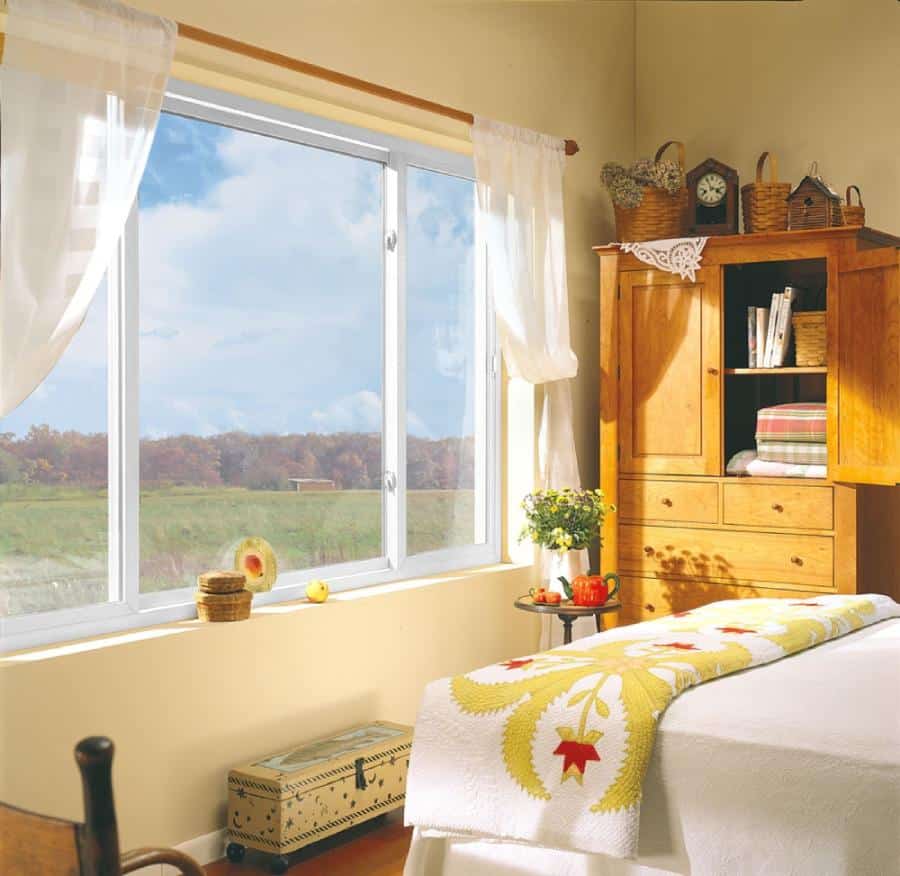
In this blog:
Late summer and early fall can be ideal times to plan energy-efficient window replacement in northwest Ohio. Here’s what Toledo-area homeowners should know before getting started:
- Timing matters: Starting in late summer can help leave enough time for measuring, manufacturing and installation before colder weather arrives.
- Why fall works well: Milder temperatures can make installation more comfortable and scheduling more flexible as peak summer demand eases.
- What efficiency ratings to target: ENERGY STARⓇ recommends a U-Factor of 0.22 or lower and an SHGC of 0.17 or higher for residents of the Toledo area’s Northern Climate Zone.
When the views outside start taking on red, orange and gold hues, it’s actually a great time to start thinking of making your home a little greener with energy-efficient windows.
Adding energy-efficient windows to your northwest Ohio home can make your space more comfortable, keep drafts and harmful UV rays out and even help lower utility bills. Late summer and early fall are perfect times for Toledo-area homeowners to start on long-lasting projects like these. Let’s take a closer look at why.
Replacing Windows by Season in Northwest Ohio
Changing seasons bring changing conditions, and they all have their pros and cons for window replacement projects. Here’s a brief rundown of how each measures up:
| Season | How It Affects Toledo-Area Window Replacement Projects |
| Late Summer (now) | The best time to start projects if you want to finish in time for winter. Starting earlier means your window provider has more time to measure, order, manufacture, ship and install your windows before cold fronts hit. |
| Fall | Scheduling your project may be easier as peak summer demand eases. Pleasant weather means less risk of unexpected installation delays. Milder temperatures can also help keep your home comfortable while the windows are going in. |
| Winter | Bad weather could interrupt the installation, and installers may have to work one room at a time to maintain interior comfort. Cold temperatures may also cause sealants to take longer to cure, pushing back timelines. |
| Spring | Weather tends to be favorable, although there’s always a chance of late cold snaps. Demand for home improvement projects often increases at this time, which may make scheduling more difficult. |
| Summer | Typically the best weather for installation, although extreme heat may pose a risk to work crews. Heavy demand is the big issue this season, and you might have to wait longer between ordering your windows and installation. |
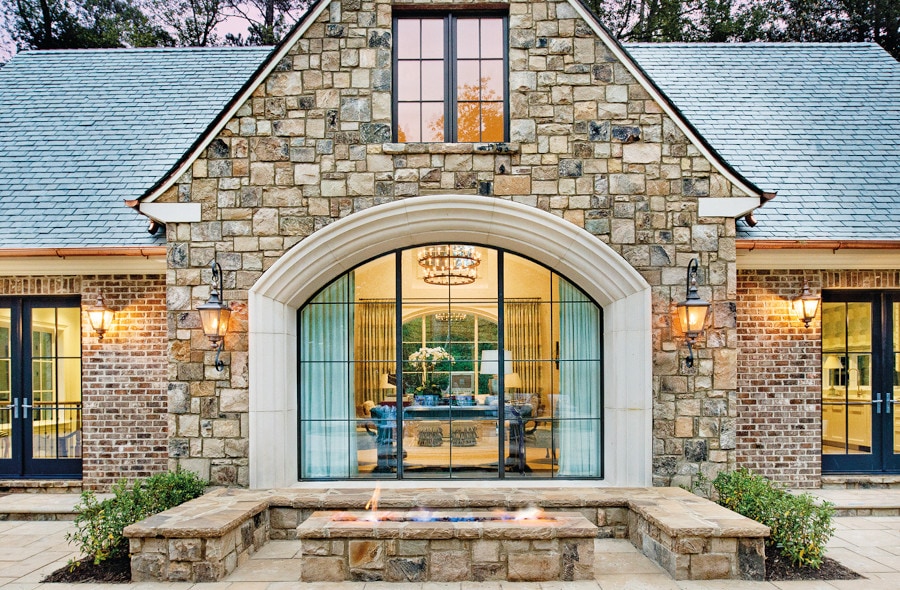
Why Kick Off Your Window Replacement In Late Summer or Fall?
If you’re thinking about starting your window upgrades during the late summer or early fall, there are actually a number of reasons that’s a great idea. Here are just a few:
- Better installation timelines: If you wait until late summer and avoid the busy season, you’ll likely have an easier time scheduling your installation. Kicking off now also leaves enough time for most window providers to measure, order, manufacture and install your windows before cooler weather hits.
- Less discomfort: Fall weather can make window replacement more comfortable for homeowners. When removing an old window, the openings will only be exposed to outdoor air for a short time. Pleasant temperatures will help keep your interiors more comfortable.
- Easier material handling: Milder fall weather can also make it easier to get your new windows installed and fully functional, faster. There’s less of a risk of extreme weather interrupting work, damaging uninstalled products or causing issues with undried sealants.
With all this in mind, it’s still important to remember that you don’t need to wait for a perfect time to install new windows. If you’re having issues like drafts or constant HVAC cycling, the best thing to do is contact a window professional. They can work with you to determine what needs to be done and figure out the best timeline for bringing a more energy-efficient home to life.
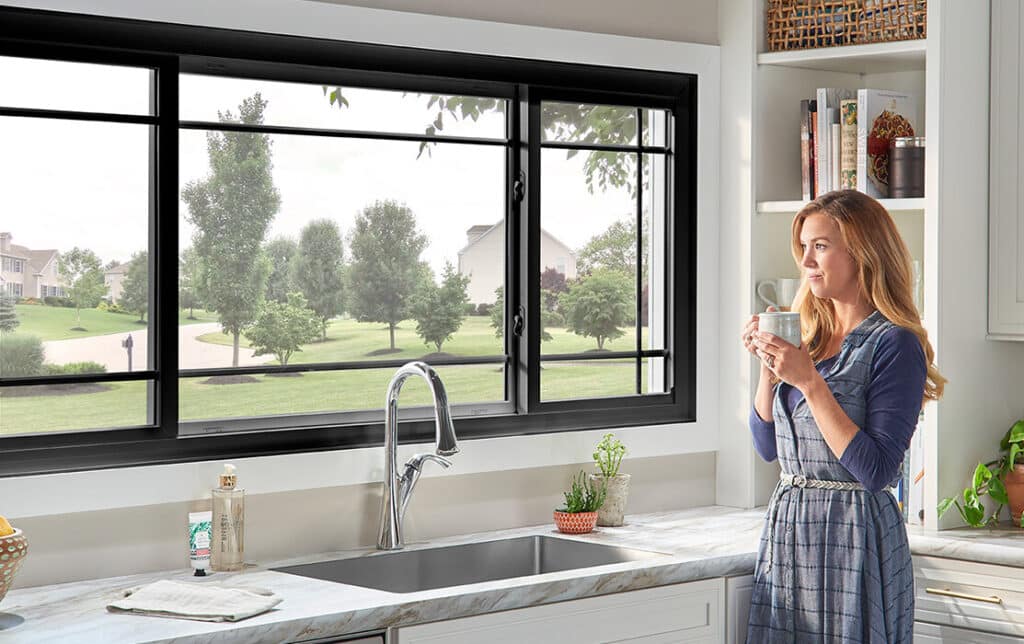
Understanding Energy-Efficient Windows: What The Labels Mean
When you start searching for energy-efficient windows, you’ll likely run across a lot of different charts and numbers explaining how each type of window performs. The good news is, if you choose ENERGY STARⓇ-rated windows, comparing your options is a lot easier.
Most ENERGY STAR-certified windows contain a variety of energy ratings determined by the National Fenestration Rating Council (NFRC), an independent nonprofit that tests windows’ ratings. Some of the different ratings you may encounter include:
- U-Factors/U-Values: A measure of the rate of heat flow through an object. A lower U-factor means your windows are better insulated, which can help keep interiors comfortable year-round.
- Solar Heat Gain Coefficients (SHGCs): A measure of how much solar radiation enters your home as heat. Glass with a higher SHGC will allow in more heat, which can be beneficial in certain cases.
- Air Leakage (AL) Ratings: A measure of how well windows let air escape your home. The lower the AL rating, the less air loss a product will have. Lower air loss means your HVAC system doesn’t have to work as hard to heat or cool your home, saving you valuable utility costs.
- Visible Transmittance (VT) Ratings: A measure of how much natural daylight enters your home through the window. The higher the rating, the more sunlight enters your home.
- Condensation Resistance (CR): A measure of how well a window keeps condensation from forming inside or between the panes. Windows with higher CR ratings have lower chances of developing condensation.
Many people think that choosing the right windows is just a matter of choosing the option with the highest or lowest corresponding energy ratings. That’s not necessarily the case. Choosing the right windows means considering the needs of your own home, in your own community.
How To Compare Window Ratings in Northwest Ohio
All energy-efficient windows are designed differently, and some may perform better in different climates. You’ll want to choose the one that’s the best fit for your hometown.
To make it easier to compare your options, ENERGY STAR, in partnership with the Environmental Protection Agency (EPA), has created energy-efficiency guidelines that divide the U.S. into four climate zones. These are the Northern, North-Central, South-Central and Southern zones. Each zone has different recommended ratings for energy-efficient windows.
Toledo and surrounding communities in Lucas, Wood, Fulton and Ottawa counties sit in ENERGY STAR’s Northern climate zone. Recommended energy-efficiency ratings for the region are included in the table below:
| Energy-Efficiency Rating | Standard Measurement | What To Look for in Northwest Ohio1 |
| U-Factor | 0.20 – 1.20 | ≤ 0.22 |
| SHGC | 0 – 1 | ≥ 0.17 |
| Air Leakage (AL) | Up to 0.3 | ≤ 0.3 cfm/ft2 |
| Visible Transmittance | 0 – 1 | Higher means brighter |
| Condensation Resistance | 1 – 100 | ≤ 50 |
1 Sources: Energystar.gov, NFRC
The following U-Factor/SHGC combinations can also qualify windows as energy-efficient in the Northern zone.
| U-Factor | SHGC |
| = 0.23 | ≥ 0.35 |
| = 0.24 | ≥ 0.35 |
| = 0.25 | ≥ 0.40 |
| = 0.26 | ≥ 0.40 |
ENERGY STAR also rates the most efficient U-factor for the Northern region at ≤ 0.20, while the most efficient SHGC is ≥ 0.20. The lower U-factor can be a great asset in northwest Ohio, where warm, sultry summers and bitterly cold winters make good insulation a must-have. A higher SHGC can also provide valuable natural heating when cold fronts and lake-effect snow move in.
Still, even with these regional recommendations in mind, you will want to look a little closer to truly find the best windows for your home. Factors like the amount of shade around your home and the direction the windows face may make different window ratings more appropriate for specific areas. That’s why we always recommend working with an expert to compare your options.
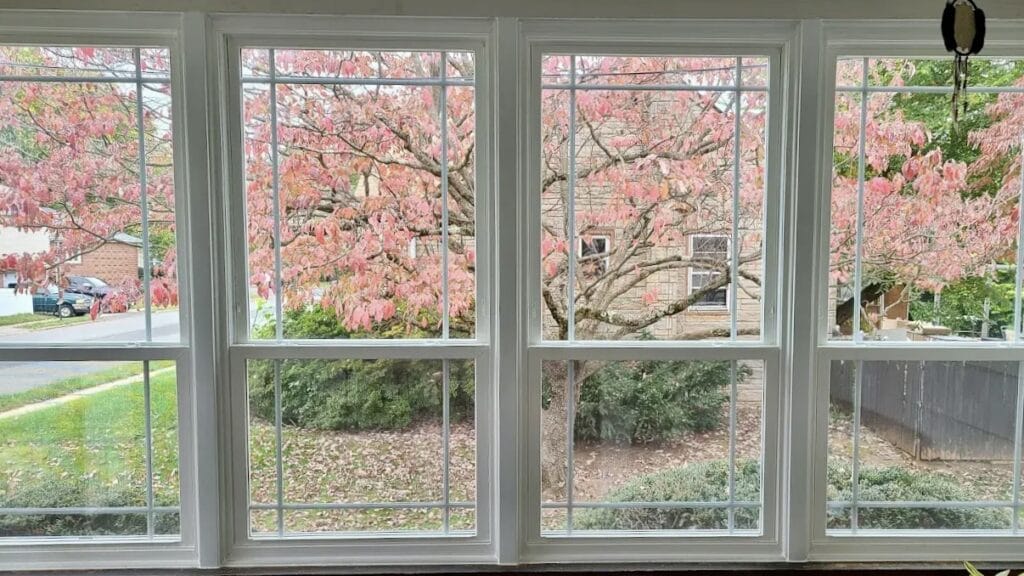
How Window Features Help Influence Energy Ratings
An energy-efficient window’s ratings label only tells part of the story. Window World’s windows contain multiple features that help them minimize your home’s energy loss. Take a closer look at these components as you weigh your window choices.
1. Low-E Glass
Low-emissivity (Low-E) glass is coated with a microscopically thin metallic pigment that prevents bad ultraviolet (UV) and infrared (IR) light from getting into your home. This helps keep your home from overheating and takes stress off your HVAC system. But don’t worry, natural light will still continue to flow brightly through your space.
2. Multi-Pane Insulated Glass
An insulated glass window uses two or three panes separated by sealed air pockets. The panes and the air pockets work together to slow and trap excess heat trying to enter your home. The interior will stay brightly lit without becoming too hot too quickly.
3. Argon Gas Filling
Argon is an inert, colorless, harmless gas that is placed between the glass in multi-pane windows. It provides better insulation than regular air and can help trap even more heat.
4. Warm-Edge Spacers
Warm-edge window spacers are the dividers that separate the glass in multi-pane windows. To make windows more energy-efficient, the spacers are made from low-conductivity materials instead of heat-sensitive metals. It’s therefore harder for heat to build up around the window edges and spread into the home.
5. Multi-Chamber Vinyl Framing
Vinyl window frames do not heat up as much as metal, and many Window World windows include intricate, multi-chamber frame designs that make it more difficult for air to enter or escape via drafts.
Plan a Greener Autumn With Energy-Efficient Windows
Fall’s a near-perfect time to upgrade to energy-efficient windows before cold weather rolls into the Toledo area. If you want to keep your home comfortable year-round and take the pressure off your HVAC systems, Window World’s ENERGY STAR-certified designs are the perfect place to start. Work with our experts to choose a glass package that’s designed to bring performance alongside flawless aesthetics, and get ready for a view your utility bills will thank you for.
If you’re ready to take your Ohio home’s energy efficiency to the next level, so are we. Request a free, no-obligation in-home estimate to start planning your fall window replacement.
FAQs About Energy-Efficient Windows
What is the best time of year to replace windows?
There’s no bad time of year to replace your windows, especially if they’re already damaged. However, late summer and early fall are popular times to complete these projects. As long as you start the process early, you may be able to complete the work before colder weather arrives, ensuring you have a warm, snug home throughout the winter. Many window installers also have more availability at this time of year as they begin completing projects from the high-demand summer months.
What U-Factor should windows have in Ohio?
Ohio spans both the Northern and North-Central ENERGY STAR Climate Zones. Recommended U-Factors for the Northern region are 0.22 or less and 0.25 or less for the North-Central region. Windows with higher U-Factors may also qualify as energy-efficient in the Northern Zone if they are paired with an appropriate SHGC.
Is there still a federal tax credit for energy-efficient windows in 2026?
As of 2026, there is no federal tax credit for energy-efficient windows. However, projects completed before December 31, 2025 may still qualify. Consult a tax professional for more information.